When selecting a printed circuit board (PCB) for harsh environments, aluminum PCBs consistently outperform their plastic (FR-4) counterparts in durability. The superior thermal conductivity, mechanical strength, and dimensional stability of aluminum make it the ideal choice for applications involving high temperatures, physical shock, and vibration, whereas plastic PCBs are best suited for less demanding, cost-sensitive projects where environmental stressors are minimal.
The choice of a PCB substrate is one of the most critical decisions in electronic design, directly impacting the reliability, performance, and lifespan of the final product. While standard plastic PCBs, most commonly made from FR-4 (Flame Retardant 4), dominate the consumer electronics market due to their low cost and versatility, they falter when conditions become extreme. This is where metal core PCBs, particularly those with an aluminum base, demonstrate their true value. Understanding the fundamental differences between these materials is key to engineering a product that can withstand the rigors of its intended operational environment.

Table of Contents
- What is an Aluminum PCB? The Metal Core Advantage
- What is a Plastic PCB? The Conventional Standard
- Head-to-Head Comparison: Aluminum vs. Plastic PCBs in Harsh Environments
- Quick Comparison Table: Aluminum PCB vs. Plastic (FR-4) PCB
- Which PCB Should You Choose? Application-Specific Scenarios
- Conclusion: Making the Right Choice for Ultimate Reliability
What is an Aluminum PCB? The Metal Core Advantage
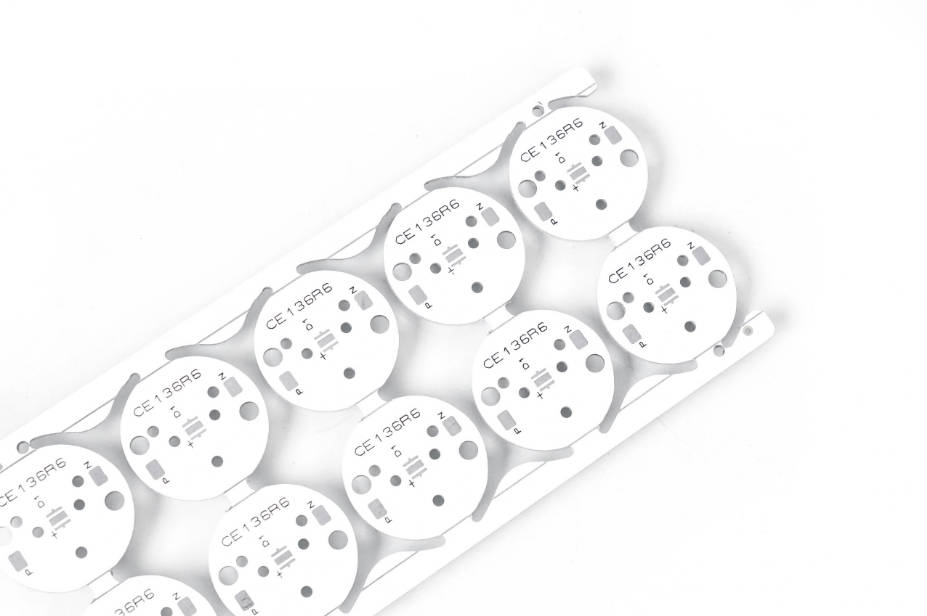
An Aluminum PCB, also known as a Metal Core PCB (MCPCB) or an Insulated Metal Substrate (IMS), is a type of circuit board that uses a metal, typically aluminum, as its base material instead of the traditional woven glass and epoxy resin. The structure is deceptively simple but highly effective. It consists of three primary layers: a copper circuit layer for the electrical traces, a thermally conductive dielectric layer to provide electrical insulation, and a thick aluminum base layer. This construction is engineered for one primary purpose: *superior thermal management*.
The key to its performance lies in the dielectric layer, which is very thin yet robust enough to prevent short circuits while efficiently transferring heat from the copper layer directly to the aluminum base. The aluminum then acts as a large heat sink, dissipating the thermal energy away from heat-sensitive components like high-power LEDs, power transistors, and processors. This ability to manage heat is the cornerstone of its durability in demanding electronic applications.
What is a Plastic PCB? The Conventional Standard
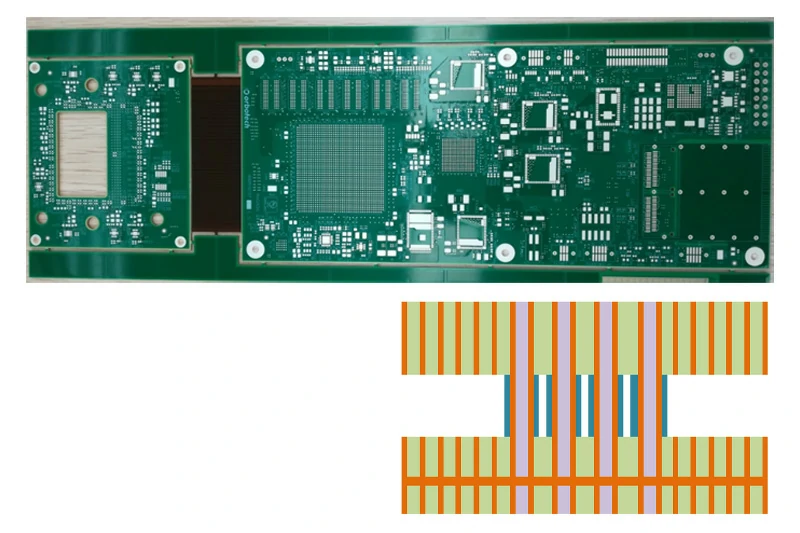
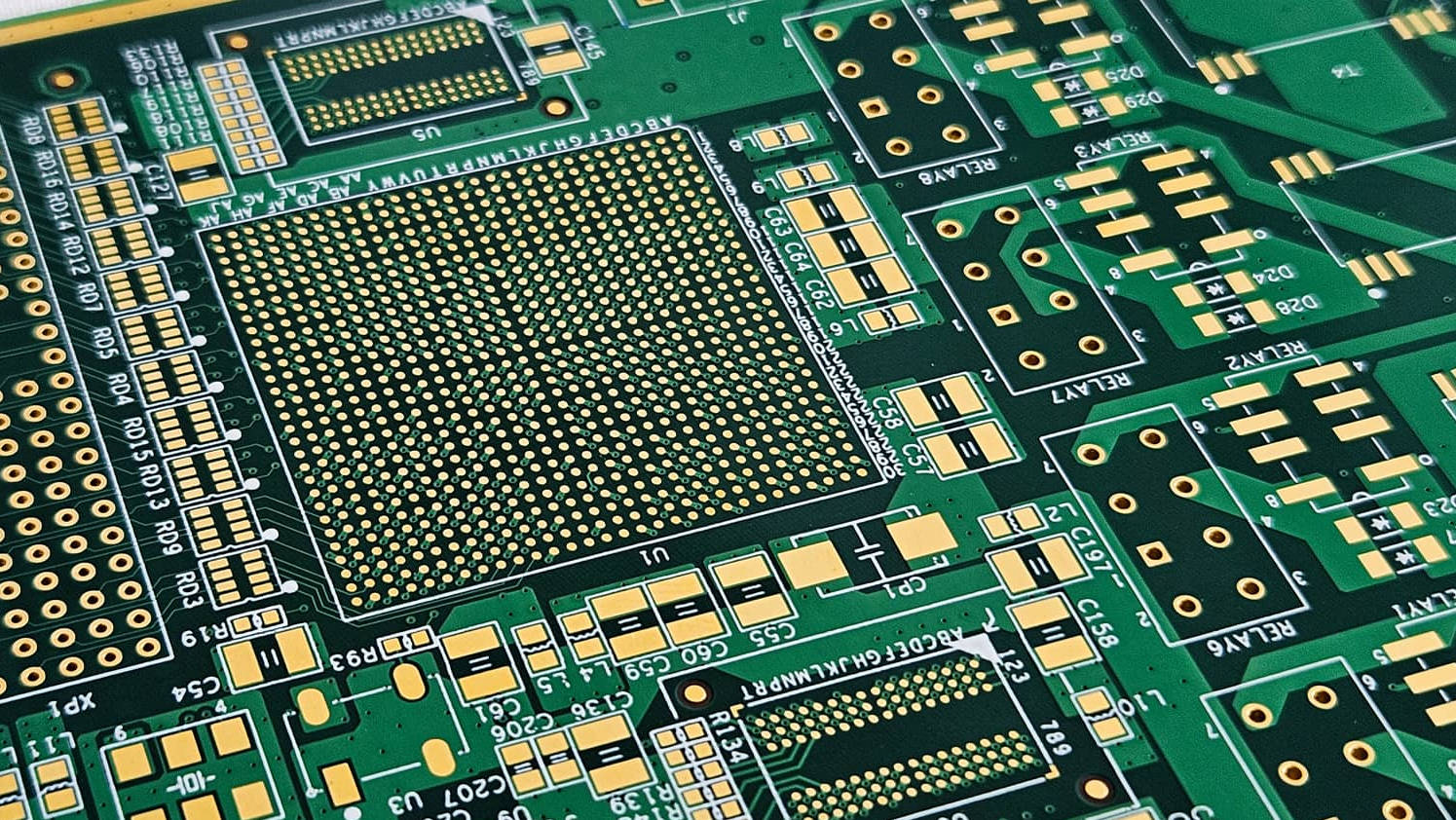
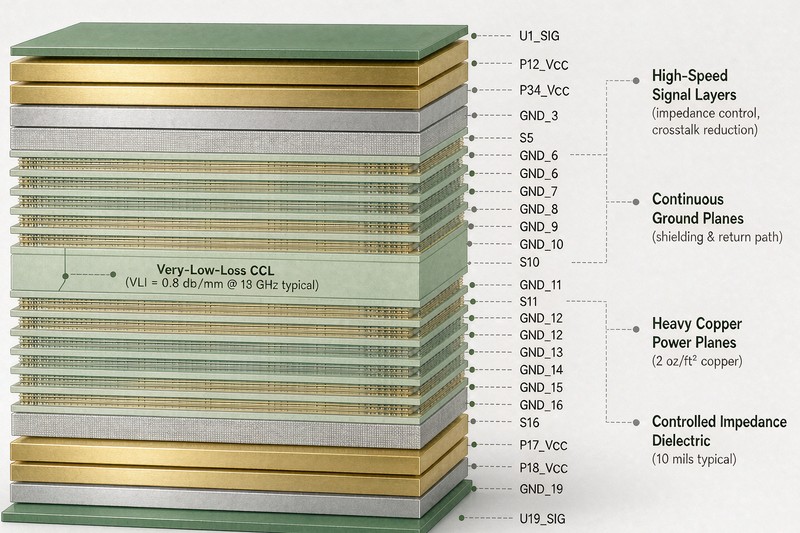
The term “Plastic PCB” almost always refers to a board made from FR-4. This material is a composite made of woven fiberglass cloth impregnated with a flame-retardant epoxy resin. It has been the industry standard for decades due to its excellent balance of cost, electrical insulation properties, and manufacturability. An FR-4 board provides a rigid and reliable platform for mounting and interconnecting electronic components in countless applications, from smartphones to household appliances.
However, the very properties that make FR-4 a great electrical insulator also make it a poor thermal conductor. Heat generated by components tends to get trapped around them, leading to localized hot spots. While this is manageable in low-power consumer devices with proper airflow, it becomes a significant point of failure in high-power or high-temperature environments. FR-4’s mechanical properties, while adequate for many uses, lack the sheer rigidity and impact resistance of a metal base.
Head-to-Head Comparison: Aluminum vs. Plastic PCBs in Harsh Environments
When placing these two materials in a challenging operational setting, their differences become starkly apparent. A harsh environment can be defined by one or more of the following factors: extreme temperatures, high levels of vibration, significant physical shock, exposure to moisture, or corrosive chemicals. Here’s how they stack up in these critical areas.
Thermal Performance: The Decisive Factor in Durability
The single greatest advantage of an aluminum PCB is its thermal performance. Heat is the primary enemy of electronic components, degrading performance and drastically shortening their lifespan. The thermal conductivity of aluminum is roughly 5 to 10 times greater than that of FR-4. This means an aluminum PCB can transfer heat away from critical components far more efficiently.
In a high-power application, such as an industrial LED lighting system or a motor controller, components can generate immense heat. On an FR-4 board, this heat remains concentrated, leading to thermal stress on solder joints, component degradation, and potential delamination of the PCB layers. On an aluminum PCB, that same heat is quickly wicked away and distributed across the entire board, which acts as an integrated heat sink. This keeps component operating temperatures lower, ensuring greater stability, reliability, and a much longer operational life.
Mechanical Durability: Strength Under Stress
Harsh environments often involve mechanical stress, such as vibration in automotive applications or physical shock in industrial machinery. Here, the inherent strength of metal gives aluminum PCBs a clear edge. Aluminum is a far more rigid and robust material than FR-4. It is significantly less prone to warping, bending, or cracking when subjected to physical force or repeated vibrations.
This structural integrity is crucial for preventing micro-fractures in solder joints and copper traces, which are common failure points on FR-4 boards in high-vibration settings. Furthermore, the metal base provides a stronger foundation for connectors and large components, reducing the risk of them being torn from the board under stress. For any product that will be moved, dropped, or subjected to constant motion, the mechanical resilience of an aluminum-backed PCB provides an essential layer of durability.
Resistance to Environmental Factors (Moisture & Chemicals)
While the surface layers of both PCB types offer some protection, the core material’s properties matter. FR-4, being an epoxy-resin composite, has a tendency to absorb a small amount of moisture over time, especially in humid environments. This moisture absorption can alter its dielectric properties and, in extreme cases, contribute to conductive anodic filament (CAF) formation and eventual failure. Aluminum, on the other hand, is non-hygroscopic and provides a solid barrier against moisture intrusion into the board’s core, enhancing its reliability in damp or outdoor conditions.
Dimensional Stability and Lifespan
Dimensional stability refers to a material’s ability to maintain its original size and shape when exposed to changes in temperature. Aluminum has a lower Coefficient of Thermal Expansion (CTE) than FR-4 and is far more stable across a wide temperature range. During thermal cycling—the process of heating up during operation and cooling down when off—FR-4 boards expand and contract more significantly. This repeated stress can weaken solder joints and vias over time.
Because aluminum PCBs manage heat better and are more dimensionally stable, they suffer less from the effects of thermal cycling. This translates directly to a longer, more reliable service life for the entire electronic assembly, making them a superior long-term investment for critical systems.
Quick Comparison Table: Aluminum PCB vs. Plastic (FR-4) PCB
| Attribute | Aluminum PCB | Plastic (FR-4) PCB |
|---|---|---|
| Thermal Conductivity | Excellent | Poor |
| Mechanical Strength | Very High (Rigid, Impact-Resistant) | Moderate (Prone to flexing/cracking) |
| Vibration Resistance | High | Low to Moderate |
| Dimensional Stability | Excellent | Good |
| Moisture Resistance | Excellent (Non-hygroscopic core) | Fair (Can absorb moisture) |
| Cost | Higher | Low |
| Primary Use Case | High-Power, High-Temp, High-Vibration | General Purpose, Low-Cost, Prototyping |
Which PCB Should You Choose? Application-Specific Scenarios
The decision between an aluminum and a plastic PCB is not about which is “better” overall, but which is the *right tool for the job*. The choice must be driven by the specific demands of the application’s environment and performance requirements.
When to Choose an Aluminum PCB
Opt for an aluminum PCB when your application involves any of the following. The higher upfront cost is easily justified by increased reliability and longevity.
- High-Power LED Lighting: Streetlights, stadium lights, automotive headlights, and horticultural grow lights all generate significant heat that must be dissipated to maintain brightness and prevent premature failure. Aluminum PCBs are the industry standard here.
- Power Conversion and Supplies: Inverters, rectifiers, and power regulators handle large currents and generate substantial heat. Aluminum PCBs ensure these components stay within their safe operating temperatures.
- Automotive Electronics: Electronics located in the engine bay, transmission, or braking systems must endure constant vibration and extreme temperature swings. The mechanical and thermal durability of aluminum is essential.
- Industrial and Military Applications: Equipment used in factory automation, robotics, and defense systems must be incredibly robust and reliable under punishing conditions.
When a Plastic (FR-4) PCB is Sufficient
A standard FR-4 PCB remains the logical and cost-effective choice for a vast range of applications where environmental conditions are controlled and power levels are moderate.
- Consumer Electronics: Smartphones, laptops, televisions, and toys operate in stable, indoor environments where heat and vibration are not primary concerns. FR-4 provides the necessary performance at the lowest cost.
- Prototyping and Hobbyist Projects: When developing and testing new circuits, the low cost and easy availability of FR-4 boards make them ideal for rapid iteration.
- Low-Power Applications: Simple sensor networks, IoT devices, and controllers that do not generate significant heat can be built reliably on FR-4 without any compromise in performance.
Conclusion: Making the Right Choice for Ultimate Reliability
In the contest of durability in harsh environments, the aluminum PCB is the undisputed winner. Its ability to manage heat, withstand physical shock and vibration, and maintain its structural integrity across a wide range of temperatures sets it far apart from conventional plastic/FR-4 PCBs. While FR-4 is an excellent, cost-effective material for the controlled world of consumer electronics, it simply wasn’t designed for the extreme demands of industrial, automotive, or high-power applications.
By investing in an aluminum PCB for a demanding project, you are not just buying a circuit board; you are engineering reliability directly into the foundation of your product. This ensures a longer lifespan, better performance, and the peace of mind that comes from knowing your electronics can handle the heat—both literally and figuratively.
Aluminum PCB vs Plastic PCB, PCB Durability, Harsh Environments, Metal Core PCB, FR-4 PCB, PCB for high temperature, PCB thermal management, aluminum pcb advantages, metal core pcb vs fr4, durability of pcb materials