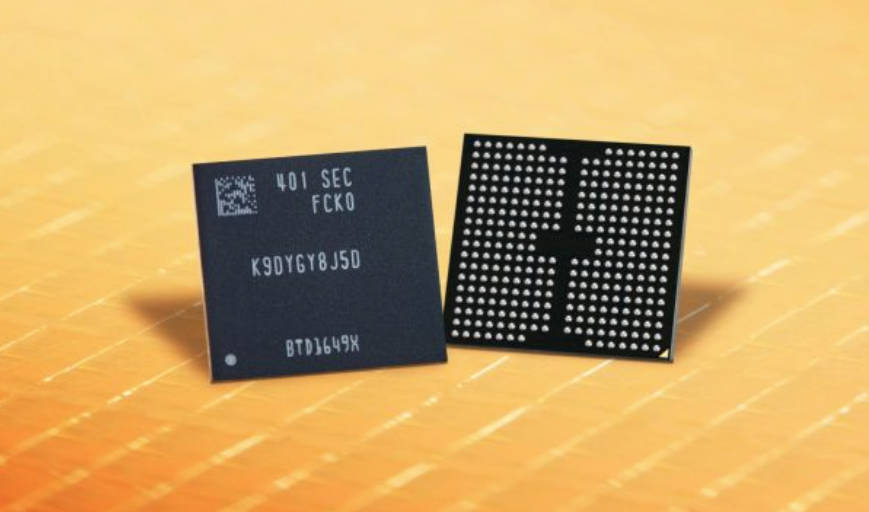
Choosing between ABF and BT substrate materials is one of the most important decisions in IC package substrate design. ABF substrates are typically selected for high-density, high-performance packages such as FC-BGA, while BT substrates are widely used for cost-sensitive packages including memory and conventional semiconductor applications.
The correct material choice depends on several factors:
- package type;
- signal density;
- wiring requirements;
- thermal performance;
- reliability expectations;
- manufacturing cost.
As semiconductor devices continue to become smaller and more powerful, IC packages require higher interconnect density and better electrical performance. The substrate is no longer only a mechanical support layer—it has become a critical component that influences signal integrity, power delivery and overall package reliability.
This article compares ABF and BT substrates from a practical engineering perspective and explains how to select the right material for different IC package applications.
Understanding IC Package Substrate Materials
An IC package substrate is the electrical and mechanical bridge between the semiconductor die and the external PCB.
It performs several key functions:
- redistributes fine-pitch die connections;
- provides electrical routing;
- supports power and ground delivery;
- manages thermal and mechanical stress;
- connects advanced chips to the main circuit board.
As chip designs become more complex, traditional PCB materials cannot always meet the requirements of advanced semiconductor packaging.
This has increased demand for specialized substrate materials such as:
- ABF (Ajinomoto Build-up Film) substrates;
- BT (Bismaleimide Triazine) resin substrates.
Both materials are widely used, but they target different packaging requirements.
What Is an ABF Substrate?
ABF substrate uses a build-up dielectric film designed for advanced semiconductor packaging applications.
It is commonly associated with:
- high-density interconnect structures;
- fine-line routing;
- flip-chip packages;
- advanced processors;
- high-performance computing packages.
ABF materials support very fine wiring structures because the dielectric layer enables high-density build-up processes.
Key Characteristics of ABF Substrate
| Feature | ABF Substrate |
| Main application | Advanced IC packages |
| Typical package types | FC-BGA, high-performance packages |
| Wiring density | Very high |
| Fine-pitch capability | Excellent |
| Electrical performance | Strong for high-speed signals |
| Cost level | Higher |
| Manufacturing complexity | High |
ABF substrates are especially important in applications where large amounts of data must move between the chip and the package.
What Is a BT Substrate?
BT substrate uses Bismaleimide Triazine resin as the core insulating material.
It has been widely adopted in semiconductor packaging because of its:
- stable mechanical properties;
- good thermal performance;
- mature manufacturing process;
- cost efficiency.
BT substrates are commonly used in:
- memory packages;
- mobile semiconductor packages;
- chip scale packages;
- conventional flip-chip applications.
Key Characteristics of BT Substrate
| Feature | BT Substrate |
| Main application | Mainstream semiconductor packages |
| Typical package types | CSP, memory packages |
| Wiring density | Moderate to high |
| Manufacturing maturity | Very mature |
| Cost level | Lower |
| Reliability | Good for many applications |
BT substrate remains an important choice where extreme wiring density is not the primary requirement.
ABF vs BT Substrate: Key Differences
The biggest difference between ABF and BT substrates is their balance between advanced performance and manufacturing economics.
| Comparison Factor | ABF Substrate | BT Substrate |
| Primary purpose | High-performance packaging | General semiconductor packaging |
| Routing density | Higher | Moderate |
| Fine-line capability | Better | More limited |
| High-speed signal performance | Stronger | Suitable for many applications |
| Processing complexity | Higher | Lower |
| Cost | Higher | More economical |
| Typical use | AI, CPU, networking chips | Memory, mobile ICs, mainstream packages |
ABF focuses on maximum interconnect density, while BT focuses on balanced performance, reliability and cost.
Why ABF Is Preferred for Advanced IC Packages
The growth of artificial intelligence, high-performance computing and advanced processors has increased demand for substrates capable of supporting:
- higher input/output counts;
- larger package sizes;
- faster signal transmission;
- complex power delivery networks.
ABF substrates provide advantages in these areas.
1. Higher Wiring Density
Advanced chips require thousands of connections between the die and package.
ABF materials support:
- finer traces;
- smaller spaces;
- more routing layers;
- higher interconnect density.
This makes them suitable for large flip-chip packages.
2. Better Support for High-Speed Applications
High-performance processors require excellent electrical performance.
Substrate material affects:
- signal loss;
- impedance control;
- power integrity;
- electromagnetic behavior.
ABF substrates are commonly selected when electrical performance requirements are more demanding.
3. Support for Large Package Designs
Modern semiconductor packages continue increasing in size because more functions are integrated into single chips.
ABF substrates provide the routing capability required for:
- large die sizes;
- complex package layouts;
- advanced computing platforms.
Why BT Substrate Remains Widely Used
Although ABF supports advanced applications, BT substrate continues to be an important material choice.
1. Cost Efficiency
Not every IC package requires the highest wiring density.
For applications where performance requirements are moderate, BT provides a practical balance between:
- manufacturing cost;
- reliability;
- electrical performance.
2. Mature Manufacturing Process
BT substrate production has a long manufacturing history.
Advantages include:
- established supply chains;
- stable production processes;
- predictable quality control.
3. Suitable Reliability Performance
Many semiconductor applications do not require the extreme density of advanced computing packages.
BT substrates can provide reliable performance for:
- memory products;
- consumer electronics;
- mainstream semiconductor devices.
Material Selection Based on IC Package Type
The package application usually determines the substrate material choice.
| IC Package Application | Recommended Material Direction |
| High-performance computing | ABF substrate |
| AI accelerator packages | ABF substrate |
| Large flip-chip packages | ABF substrate |
| Memory packages | BT substrate |
| Mobile semiconductor packages | BT substrate |
| Cost-sensitive products | BT substrate |
| Advanced high-density packages | ABF substrate |
The correct selection should start from package requirements rather than material preference.
Key Factors When Selecting IC Substrate Materials
1. Package Density Requirements
The number of connections between the chip and substrate directly affects material selection.
Higher I/O density usually requires:
- finer routing;
- more build-up layers;
- smaller line spacing.
ABF is often considered when package complexity exceeds conventional substrate capability.
2. Signal Speed Requirements
High-speed applications require careful consideration of:
- dielectric characteristics;
- signal loss;
- impedance control;
- routing structure.
The substrate material becomes part of the overall signal integrity design.
3. Thermal Requirements
Advanced chips generate significant heat.
The substrate must support:
- thermal expansion control;
- mechanical stability;
- long-term reliability.
Both ABF and BT substrates can support thermal requirements, but the appropriate choice depends on package structure and operating conditions.
4. Production Cost
Material selection directly affects final package cost.
ABF generally involves:
- more complex processing;
- higher manufacturing requirements;
- higher material cost.
BT provides a more economical solution for applications where extreme density is unnecessary.
Common Mistakes When Choosing IC Substrate Materials
Mistake 1: Choosing ABF Only Because It Is More Advanced
Higher performance does not always mean better suitability.
A package that does not require extreme density may achieve better cost efficiency with BT substrate.
Mistake 2: Selecting BT for Extremely Dense Packages
When package routing becomes too complex, BT may limit:
- line width;
- layer count;
- signal performance.
Mistake 3: Ignoring Future Product Requirements
Substrate selection should consider:
- expected performance upgrades;
- package scaling;
- production volume;
- future revisions.
Mistake 4: Evaluating Material Without Considering Manufacturing Capability
A substrate material must match the supplier’s:
- process capability;
- layer build-up technology;
- inspection methods;
- quality control system.
How to Choose the Right IC Substrate Supplier
Selecting the correct material is only part of successful IC substrate development.
A qualified supplier should have experience with:
- advanced substrate structures;
- fine-line manufacturing;
- multilayer build-up processes;
- electrical performance control;
- reliability evaluation.
Important evaluation questions include:
| Question | Purpose |
| What substrate structures are supported? | Confirm technical capability |
| What line/space capability is available? | Match package density |
| How is layer alignment controlled? | Improve reliability |
| What inspection methods are used? | Reduce production risk |
| Can prototypes be supported? | Validate designs early |
For projects requiring advanced packaging structures, understanding substrate manufacturing capability is essential. Mars-PCB provides IC substrate solutions for applications requiring high-density package interconnect technology.
Future Trends in IC Package Substrate Development
Semiconductor packaging continues moving toward:
- higher integration;
- smaller package dimensions;
- faster data transmission;
- greater power density.
Future substrate development will focus on:
- finer routing structures;
- improved thermal performance;
- advanced package integration;
- higher reliability.
As chip performance increases, substrate selection will become an increasingly important part of semiconductor system design.
FAQ
What is the difference between ABF and BT substrate?
ABF substrate is designed for high-density advanced IC packages, while BT substrate is commonly used for mainstream semiconductor packages where cost efficiency and reliability are important.
Is ABF substrate better than BT substrate?
ABF is not always better. It provides higher wiring density and advanced performance, while BT may be more suitable for applications where cost and mature manufacturing are priorities.
Which substrate is used for FC-BGA packages?
FC-BGA packages commonly use ABF substrates because they require high-density routing and advanced interconnect capability.
Why are BT substrates used for memory packages?
BT substrates provide reliable performance, mature manufacturing processes and cost advantages for many memory packaging applications.
How do I choose an IC package substrate material?
Material selection depends on package type, routing density, signal requirements, thermal conditions and production cost targets.
Are ABF substrates more expensive than BT substrates?
Generally, ABF substrates involve more complex manufacturing processes and are typically more expensive than BT substrates.
What factors affect IC substrate reliability?
Important factors include material properties, layer structure, thermal expansion behavior, manufacturing quality and package design.