In the rapidly evolving landscape of electronics, thermal management has transitioned from a secondary design consideration to a primary engineering challenge. As devices become smaller and more powerful, the heat generated by components like high-brightness LEDs, power transistors, and high-frequency processors can lead to catastrophic failure if not dissipated efficiently. This has led to the rise of specialized substrates: Aluminum PCBs (Metal Core PCBs) and Ceramic PCBs.
Choosing between these two depends on a complex balance of thermal requirements, mechanical stress, electrical insulation, and budget. This comprehensive guide explores the structural differences, performance metrics, and industry applications of Aluminum and Ceramic PCBs to help you make an informed decision for your next project.
1. Understanding Aluminum PCBs (MCPCBs)
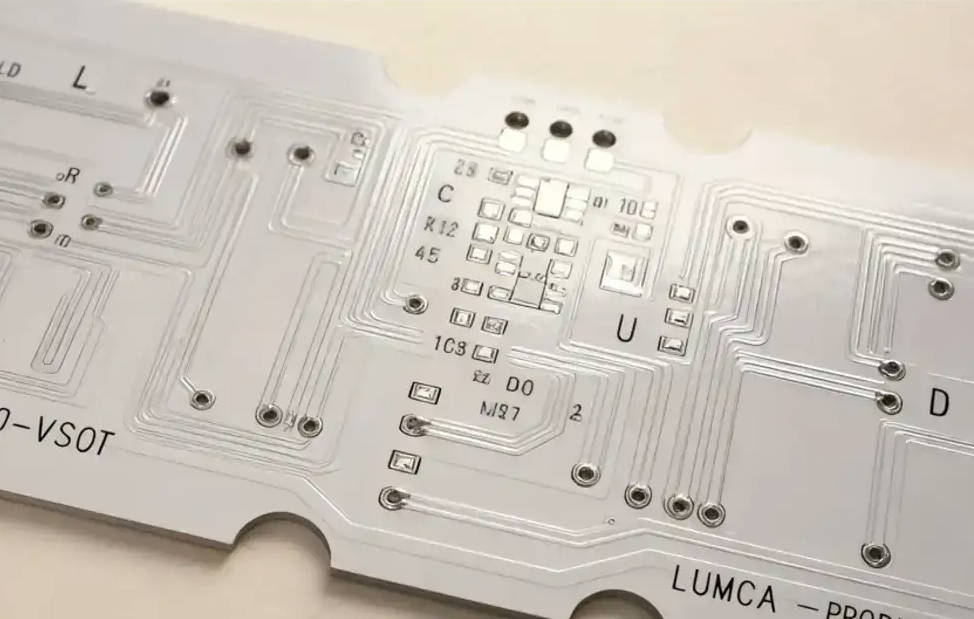
An Aluminum PCB, often referred to as a Metal Core PCB (MCPCB), is composed of a metal base, a high-thermal-conductivity dielectric layer, and a copper circuit layer. Unlike traditional FR4 boards that rely on fiberglass, the aluminum base acts as a giant heat sink.
The Structure of an Aluminum PCB
-
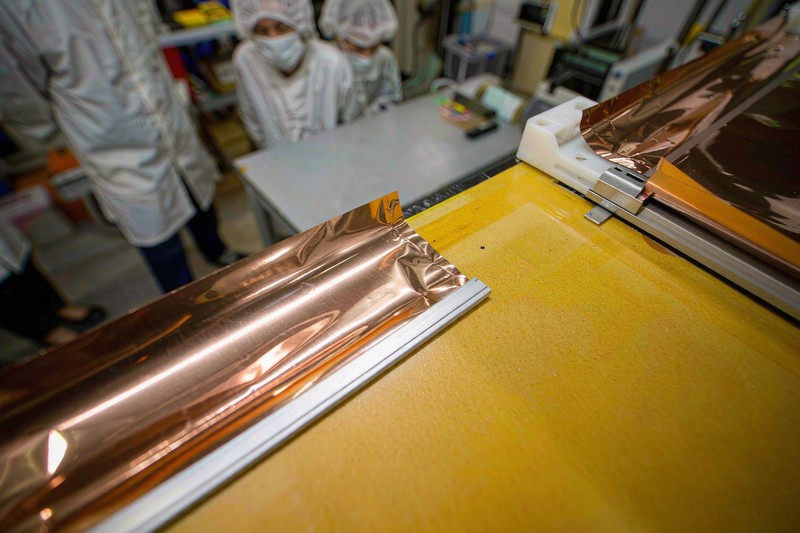
Circuit Layer (Copper Foil): This is where the electrical components are soldered. It is typically 1oz to 10oz thick.
-
Dielectric Layer (Insulating Layer): The most critical part. It provides electrical insulation while facilitating thermal transfer from the copper to the aluminum.
-
Base Layer (Aluminum Substrate): Usually made of Aluminum 5052 or 6061 alloy, providing mechanical support and heat dissipation.
-
Base Membrane: An optional layer to protect the aluminum surface from scratching or etching.
Advantages of Aluminum PCBs
-
Superior Heat Dissipation: Aluminum transfers heat much faster than FR4. This allows high-power components to operate at lower temperatures, extending their lifespan.
-
Enhanced Durability: Aluminum is robust and resistant to breakage, making it ideal for applications subject to mechanical stress or harsh environments.
-
Dimensional Stability: Metal substrates expand and contract less than plastic-based materials under varying temperatures.
-
Cost-Effectiveness: Compared to ceramic, aluminum is much more affordable and easier to manufacture in high volumes.
-
Lightweight: Despite being a metal, aluminum is light, which is crucial for automotive and aerospace sectors.
2. Understanding Ceramic PCBs
Ceramic PCBs use ceramic materials—most commonly Alumina ($Al_2O_3$) or Aluminum Nitride ($AlN$)—as the base substrate. Unlike Aluminum PCBs, the ceramic itself acts as both the mechanical base and the electrical insulator.
Types of Ceramic PCBs
-
High-Temperature Co-fired Ceramic (HTCC): Manufactured by firing at temperatures above 1600°C.
-
Low-Temperature Co-fired Ceramic (LTCC): Fired at around 900°C, allowing for the use of high-conductivity metals like silver and gold for circuits.
-
Direct Bonded Copper (DBC): Copper foil is bonded to the ceramic substrate under high heat and pressure.
Advantages of Ceramic PCBs
-
Extreme Thermal Conductivity: Aluminum Nitride can reach thermal conductivities of 170–230 W/mK, which is vastly superior to the dielectric layers used in Aluminum PCBs.
-
No Dielectric Layer Needed: Since ceramic is inherently an insulator, there is no need for a polymer dielectric layer, which often acts as a thermal bottleneck in MCPCBs.
-
High Operating Temperatures: Ceramic boards can withstand temperatures exceeding 350°C (and even up to 800°C for some types), whereas aluminum boards are limited by the organic dielectric layer.
-
CTE Matching: The Coefficient of Thermal Expansion (CTE) of ceramic is very close to that of silicon chips. This reduces the risk of solder joint fatigue during thermal cycling.
-
High-Frequency Performance: Ceramic has low dielectric loss, making it perfect for RF and microwave applications.
3. Aluminum vs. Ceramic: Head-to-Head Comparison
To understand which board fits your design, we must compare their physical and electrical properties side-by-side.
| Feature | Aluminum PCB (MCPCB) | Ceramic PCB |
| Thermal Conductivity | 1.0 – 5.0 W/mK (Dielectric) | 24 – 230 W/mK |
| Operating Temp | Up to 150°C – 200°C | Up to 600°C+ |
| Electrical Insulation | Requires Dielectric Layer | Inherently Insulating |
| Thermal Expansion (CTE) | High (Aluminum base) | Low (Matches Silicon) |
| Mechanical Strength | Very High (Resilient) | Moderate (Brittle/Fragile) |
| High Frequency | Poor | Excellent |
| Cost | Low to Moderate | High |
Thermal Performance: The Dielectric Bottleneck
In an Aluminum PCB, the heat must pass through a polymer-based dielectric layer before reaching the metal base. Even the best “high-thermal” dielectrics only reach about 3–5 W/mK. In contrast, a Ceramic PCB is a monolithic structure where the heat moves directly through the substrate ($Al_2O_3$ is ~25 W/mK; $AlN$ is ~200 W/mK).
Mechanical and Design Flexibility
Aluminum PCBs are excellent for large-scale lighting panels because they can be manufactured in large sizes and are hard to break. Ceramic PCBs are brittle; if you drop a ceramic board, it may shatter like a plate. However, ceramic allows for multi-layer designs (LTCC/HTCC) that are much denser than standard aluminum boards.
4. Industry Applications: Where to Use Which?
When to Choose Aluminum PCBs
Aluminum PCBs have become the industry standard for the LED lighting revolution.
-
LED Industry: Street lights, architectural lighting, and automotive headlights.
-
Power Supplies: Power converters, regulators, and high-current circuits.
-
Automotive: Ignition systems, electronic regulators, and dashboard displays.
-
Audio Equipment: Input/output amplifiers and power amplifiers.
When to Choose Ceramic PCBs
Ceramic is the “Gold Standard” for high-reliability and extreme-environment electronics.
-
Aerospace & Military: Guidance systems, sensors, and engine control units.
-
High-Power Semiconductors: IGBT modules, laser diodes, and concentrated solar cells.
-
Medical Devices: High-frequency surgical equipment and imaging sensors.
-
Telecommunications: High-power RF transmitters and microwave modules.
5. Manufacturing Challenges and Cost Analysis
Aluminum PCB Manufacturing
The manufacturing process for Aluminum PCBs is very similar to standard FR4, with the addition of metal-cutting and drilling steps. Because the materials are abundant and the process is mature, the lead time is short, and the cost per square inch is low. It is highly suitable for mass production.
Ceramic PCB Manufacturing
Ceramic requires specialized equipment. Laser drilling is often necessary because mechanical drills would crack the substrate. The bonding of copper to ceramic (DBC or DPC) requires cleanroom environments and high-temperature kilns. Consequently, Ceramic PCBs are significantly more expensive—often 5x to 10x the cost of a comparable aluminum board.
6. How to Select the Right Substrate for Your Project
Ask yourself the following three questions:
-
What is the Power Density? If your components are generating localized heat that exceeds the capacity of a polymer dielectric, you must move to ceramic.
-
What is the Operating Environment? If the device will be in a vacuum (space) or subject to temperatures above 200°C, ceramic is the only viable option.
-
What is the Budget? For consumer-grade products and standard LED applications, Aluminum PCBs offer the best ROI.
7. Conclusion
Both Aluminum and Ceramic PCBs play vital roles in modern electronics. Aluminum PCBs are the workhorses of the power electronics world, offering a perfect blend of thermal management, mechanical durability, and affordability. They are the go-to for LED applications and general power conversion.
Ceramic PCBs, on the other hand, are the specialists. They excel where others fail—handling extreme heat, high frequencies, and demanding reliability standards in aerospace and medical technology.
By understanding the key differences in thermal conductivity, CTE, and manufacturing costs, engineers can optimize their designs for both performance and profitability.