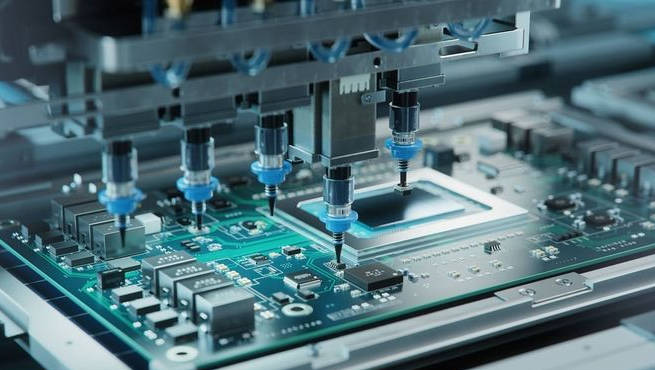
When choosing between an Aluminum PCB and a Copper PCB for high-power applications, the decision hinges on a crucial trade-off between thermal performance and cost. Copper PCBs offer superior thermal conductivity, making them ideal for extreme heat dissipation, while Aluminum PCBs provide excellent thermal performance at a significantly lower cost and weight, establishing them as the industry standard for applications like LED lighting and automotive systems. This comprehensive guide delves into the key differences, technical specifications, and application-specific use cases to help you select the optimal metal core PCB for your thermal management strategy.
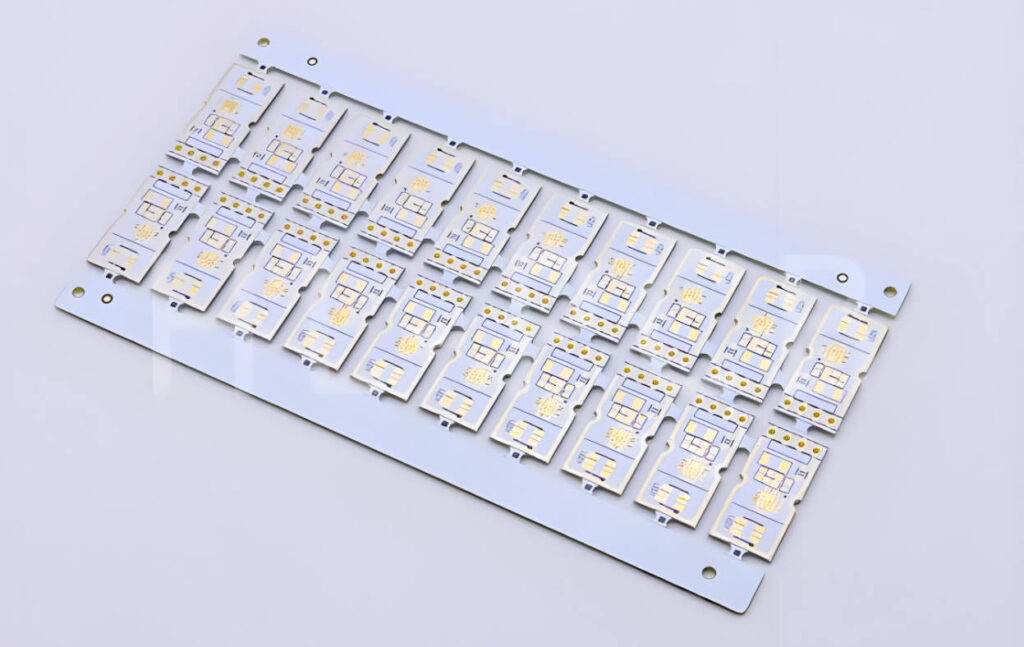
Table of Contents
- The Critical Role of Thermal Management in High-Power Electronics
- What is an Aluminum PCB? Unpacking the Industry Standard
- What is a Copper PCB? The High-Performance Contender
- Head-to-Head Comparison: Aluminum vs. Copper PCB
- Application Deep Dive: Where Does Each PCB Shine?
- How to Choose the Right Metal Core PCB for Your Application
- Conclusion: Balancing Performance, Cost, and Application Needs
- Frequently Asked Questions (FAQ)
The Critical Role of Thermal Management in High-Power Electronics
In the realm of high-power electronics, heat is not just a byproduct; it’s the primary adversary to performance, reliability, and lifespan. As components like high-brightness LEDs, power transistors, and voltage regulators operate, they generate significant thermal energy. If this heat isn’t effectively managed and dissipated, it can lead to catastrophic failures. Elevated junction temperatures can cause a component’s performance to degrade, shift its electrical characteristics, and drastically shorten its operational life. This is where Metal Core Printed Circuit Boards (MCPCBs) become essential. Unlike standard FR-4 boards which are poor thermal conductors, MCPCBs are engineered with a metal base layer specifically designed to provide a low-resistance thermal path, drawing heat away from critical components and dissipating it into the environment or a heatsink.
Effective thermal management is no longer a luxury but a fundamental design requirement. It ensures that devices operate within their safe temperature limits, maintaining stability and long-term reliability. The choice of the base material for an MCPCB—primarily aluminum or copper—is one of the most critical decisions an engineer will make, directly impacting the thermal efficiency, cost, weight, and manufacturability of the final product. Understanding the nuances of each material is key to designing a robust and successful high-power electronic system.
What is an Aluminum PCB? Unpacking the Industry Standard
An Aluminum PCB, also known as an aluminum-backed or aluminum-clad PCB, is the most common type of Metal Core PCB. It utilizes an aluminum alloy (typically 5052 or 6061) as its base material, providing a rigid structure and an efficient pathway for heat dissipation. Its widespread adoption is due to its impressive balance of thermal performance, low cost, and light weight, making it a go-to solution for a vast array of applications, most notably in the LED lighting industry.
Structure and Composition of Aluminum-Backed PCBs
The typical stack-up of a single-sided Aluminum PCB is elegantly simple yet highly effective. It consists of three primary layers:
- Circuit Layer: A thin layer of copper foil (typically 1-4 oz.) etched to form the conductive traces, just like a conventional PCB.
- Dielectric Layer: This is the most critical layer for thermal performance. It’s a very thin, thermally conductive but electrically isolating material that bonds the copper circuit layer to the aluminum base. The quality and thickness of this layer directly dictate the board’s thermal resistance.
- Base Layer: A plate of aluminum, usually between 0.8mm and 3.2mm thick, that provides mechanical support and acts as the primary heat spreader.
This construction allows heat generated by components on the circuit layer to travel efficiently through the thin dielectric layer and spread across the large surface area of the aluminum base. From there, it can be dissipated into the air or transferred to an external heatsink for even more effective cooling.
Key Advantages of Aluminum PCBs
The popularity of aluminum as an MCPCB material is rooted in a compelling set of benefits. The most significant advantage is its outstanding cost-to-performance ratio. Aluminum offers thermal conductivity that is 5 to 10 times better than standard FR-4, but at a fraction of the cost of a copper-core solution. Furthermore, aluminum is a lightweight material, making it ideal for applications where weight is a consideration. It is also readily available, easy to machine (drilling, punching, scoring), and environmentally friendly as it is non-toxic and recyclable. This combination of good thermal performance, low cost, and manufacturability makes it the workhorse of the MCPCB world.
Common Limitations and Disadvantages
Despite its many strengths, aluminum is not without its limitations. Its primary drawback is its thermal conductivity, which, while far superior to FR-4, is significantly lower than that of copper. For extremely high-power density applications where every degree of cooling matters, aluminum might not be sufficient. Another key limitation is that standard aluminum PCBs are typically single-sided. Manufacturing plated through-holes (PTHs) is a complex and expensive process because the aluminum base is conductive and must be isolated, which negates much of its cost advantage. This restricts designs to surface-mount components on a single layer, limiting circuit complexity.
What is a Copper PCB? The High-Performance Contender
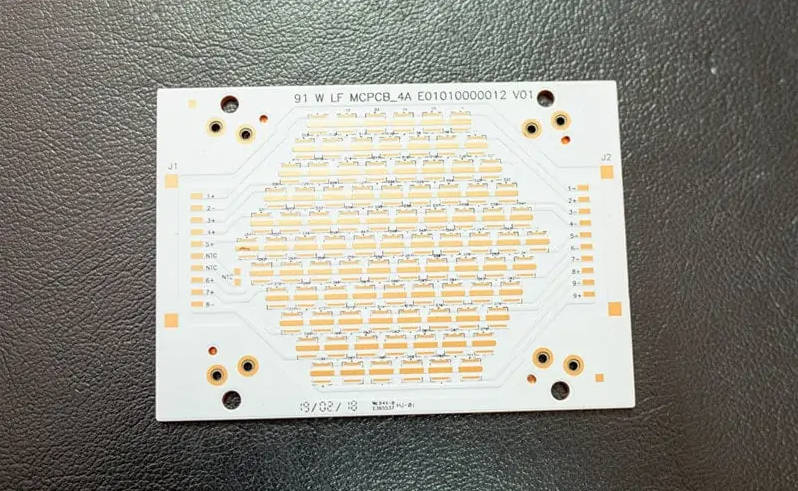
When an application’s thermal demands exceed the capabilities of aluminum, engineers turn to Copper PCBs. These boards leverage the exceptional thermal conductivity of copper to manage the most extreme heat loads. However, it’s crucial to distinguish between two different technologies often grouped under this name: Copper Core PCBs and Heavy Copper PCBs.
Clarifying the Types: Copper Core vs. Heavy Copper PCBs
A Copper Core PCB is the direct counterpart to an Aluminum Core PCB. It features a solid copper plate as its base layer, bonded to the circuit layers via a dielectric material. This design offers the absolute best thermal dissipation possible in an MCPCB structure. In contrast, a Heavy Copper PCB is typically built on a standard FR-4 substrate but uses significantly thicker copper foil for its traces and planes (e.g., 3 oz. to over 20 oz.). While heavy copper improves current-carrying capacity and does help spread some heat, it does not provide the same bulk heat dissipation as a true copper core because the FR-4 core itself remains a thermal insulator. For this article’s comparison, we will focus on true Copper Core PCBs.
The Unmatched Advantages of Copper Core PCBs
The single greatest advantage of a Copper Core PCB is its superior thermal conductivity. Pure copper boasts a thermal conductivity of around 401 W/mK, nearly double that of aluminum (approx. 237 W/mK). This means a copper core can pull heat away from components faster and more efficiently, resulting in lower operating temperatures and higher reliability for the most demanding power components. This makes it the undisputed choice for applications with extreme power densities, such as high-power converters, thermoelectric coolers, and high-frequency RF amplifiers where thermal stability is paramount.
The Practical Drawbacks to Consider
The premier performance of copper comes with significant trade-offs. The most prohibitive factor is cost. Copper is a more expensive raw material than aluminum, and it is more difficult and costly to process. It is also much heavier, with a density nearly three times that of aluminum. This can be a major disadvantage in applications where weight is a critical factor, such as in aerospace or portable devices. Furthermore, copper’s high machinability cost can make fabrication more complex and expensive, especially for intricate designs. Finally, copper is susceptible to oxidation and requires protective surface finishes.
Head-to-Head Comparison: Aluminum vs. Copper PCB
To make an informed decision, it’s essential to compare these two materials across several key metrics. The choice often comes down to identifying which parameter is the most critical for your specific application’s success.
| Parameter | Aluminum PCB | Copper PCB | Winner for Performance |
|---|---|---|---|
| Thermal Conductivity | Good (~138-237 W/mK for alloys) | Excellent (~401 W/mK) | Copper |
| Cost | Low | High (3-5x more than Aluminum) | Aluminum |
| Weight / Density | Light (~2.7 g/cm³) | Heavy (~8.96 g/cm³) | Aluminum |
| Machinability | Easy (lower tool wear, faster) | Difficult (higher tool wear, slower) | Aluminum |
| Electrical Conductivity | Not a factor (isolated by dielectric) | Not a factor (isolated by dielectric) | N/A |
Application Deep Dive: Where Does Each PCB Shine?
The theoretical differences between aluminum and copper translate into clear-cut advantages for specific real-world applications. Choosing the right material often depends more on the application’s context than on the material’s raw specifications alone.
When to Choose Aluminum: High-Volume, Cost-Sensitive Applications
Aluminum PCBs are the dominant choice when “very good” thermal performance is required without breaking the budget. Their combination of low cost, light weight, and ease of manufacturing makes them ideal for mass-produced electronics.
- LED Lighting: This is the quintessential application for Aluminum PCBs. From streetlights and automotive headlights to commercial and residential fixtures, aluminum provides the necessary heat dissipation to ensure LED longevity and color stability at a competitive price point.
- Power Supplies and Regulators: For many consumer and industrial power supplies, an Aluminum PCB is sufficient to cool switching regulators and rectifier components, especially when paired with good airflow.
- Automotive Electronics: In systems like engine control units (ECUs), headlight drivers, and power steering systems, the light weight and durability of aluminum are significant advantages.
When to Specify Copper: Extreme Power and Reliability Demands
Copper Core PCBs are reserved for applications where thermal performance is non-negotiable and cost is a secondary concern. These are typically mission-critical or high-performance systems where failure is not an option.
- High-Power Converters: In large-scale DC-DC converters, motor drives, and solar power inverters, the power density can be so high that only copper’s superior conductivity can keep component temperatures within a safe operating range.
- High-Frequency and RF Applications: Power amplifiers used in telecommunications and broadcasting generate intense, localized heat. Copper PCBs provide the thermal stability needed to maintain signal integrity and prevent component failure.
- Thermoelectric Cooling (Peltier Devices): These devices function by transferring heat from one side to another. A Copper Core PCB is essential for efficiently wicking away the heat from the “hot side” to maximize cooling performance.
- Military and Aerospace: In environments with extreme temperatures and high reliability requirements, the robust thermal performance of copper is often mandated.
How to Choose the Right Metal Core PCB for Your Application
Selecting the right material requires a systematic approach. Ask yourself these critical questions during the design phase:
- What is my thermal budget? Perform a thermal simulation or calculation. Determine the maximum allowable junction temperature for your critical components and calculate the thermal resistance required from your PCB. If the required performance falls within aluminum’s capabilities, it is almost always the more practical choice.
- What is the project’s cost sensitivity? Is this a high-volume, cost-competitive consumer product or a low-volume, high-performance industrial system? The cost difference between aluminum and copper can be the single most important factor.
- Are there weight or size constraints? For airborne, portable, or automotive applications, the lower weight of aluminum can be a significant advantage.
- What is the complexity of the design? If you need a multi-layer design with plated through-holes, a standard MCPCB (either aluminum or copper) may not be suitable. You might need to explore more complex solutions like “heat coin” integrations or heavy copper on an FR-4 board.
A good rule of thumb is to start with aluminum as the default choice. Engineer your layout and mechanical enclosure to maximize its performance. Only if thermal simulations prove that aluminum is insufficient to meet your reliability targets should you absorb the significant cost and weight penalties of moving to a copper core.
Conclusion: Balancing Performance, Cost, and Application Needs
The debate between Aluminum PCB vs. Copper PCB is not about finding a single “best” material, but about finding the right material for a specific job. Aluminum PCBs represent a masterful engineering compromise, delivering excellent heat dissipation, low weight, and manufacturability at an unbeatable price point. They are the workhorse of the industry, enabling the widespread adoption of high-power LEDs and efficient power electronics. Copper Core PCBs, on the other hand, are the specialists. They are the solution for the most thermally demanding, high-stakes applications where performance cannot be compromised. By carefully analyzing your application’s thermal requirements, budget, and physical constraints, you can confidently select the metal core PCB that ensures your product’s performance, reliability, and success.
Frequently Asked Questions (FAQ)
Is copper PCB always better than aluminum PCB? No. While copper is a better thermal conductor, it is not always the better choice. It is significantly more expensive, heavier, and harder to manufacture. For a majority of high-power applications, aluminum provides more than adequate thermal performance at a much lower overall cost, making it the “better” choice from a practical and commercial perspective. What is the thermal conductivity of the dielectric layer in an MCPCB? This is a critical parameter. The dielectric layer, while thin, is the biggest bottleneck in the thermal path. Its thermal conductivity typically ranges from 1 W/mK to as high as 8 W/mK for premium materials. A lower-quality dielectric can negate the benefits of a high-conductivity metal core, so it’s vital to specify this with your manufacturer. Can you make a double-sided Aluminum PCB? Yes, it is possible, but it adds significant complexity and cost. To make a double-sided aluminum board with plated through-holes, a hole must be drilled through the aluminum, filled with an insulating material, and then re-drilled and plated. This multi-step process is expensive and often less cost-effective than other thermal solutions. How does an MCPCB compare to a standard FR-4 board with many thermal vias? An MCPCB will almost always have lower thermal resistance than an FR-4 board with thermal vias. While vias help transfer heat through the insulating FR-4, the heat still has to travel through the low-conductivity FR-4 material between the vias. An MCPCB provides a direct, solid, and highly conductive path from the dielectric layer to the metal base, which is far more efficient at bulk heat removal.
Aluminum PCB vs Copper PCB, Thermal Management PCB, High-Power Applications, Metal Core PCB (MCPCB), Heat Dissipation PCB, Is copper PCB better than aluminum PCB?, What is the thermal conductivity of aluminum PCB?, Choosing the right PCB for heat dissipation, Heavy copper PCB for power electronics, Cost of copper core PCB, Applications of metal core PCBs, IMS PCB, Aluminum-clad PCB, Copper-backed PCB