When comparing an Aluminum PCB vs FR4 PCB for heat dissipation, Aluminum PCBs are significantly better. Aluminum metal core printed circuit boards (MCPCBs) feature a specialized thermal dielectric layer and an aluminum backing that provide a thermal conductivity ranging from 1.0 to 7.0 W/m·K. In contrast, standard FR4 material is primarily a thermal insulator, offering a mere 0.3 to 0.4 W/m·K. Consequently, Aluminum PCBs can transfer and dissipate heat up to 10 times faster than FR4, making them the superior choice for high-power applications like LED lighting, power converters, and automotive systems where thermal management is critical to component lifespan and performance.
Introduction to PCB Thermal Management
In the modern era of electronics, devices are shrinking in size while simultaneously increasing in power and processing capabilities. This rapid miniaturization brings a significant engineering challenge to the forefront: thermal management. When electronic components such as microprocessors, power transistors, and high-brightness LEDs operate, they generate substantial amounts of heat. If this heat is not efficiently channeled away from the sensitive semiconductor junctions, it can lead to thermal runaway, degraded performance, and ultimately, catastrophic device failure. Selecting the correct printed circuit board (PCB) substrate is the foundational step in designing a reliable thermal management system. The debate between using traditional FR4 PCBs and metal-core Aluminum PCBs is a critical one for hardware engineers, pivoting entirely on the specific heat dissipation requirements of the application.
What is an FR4 PCB?
The Basics of FR4 Material
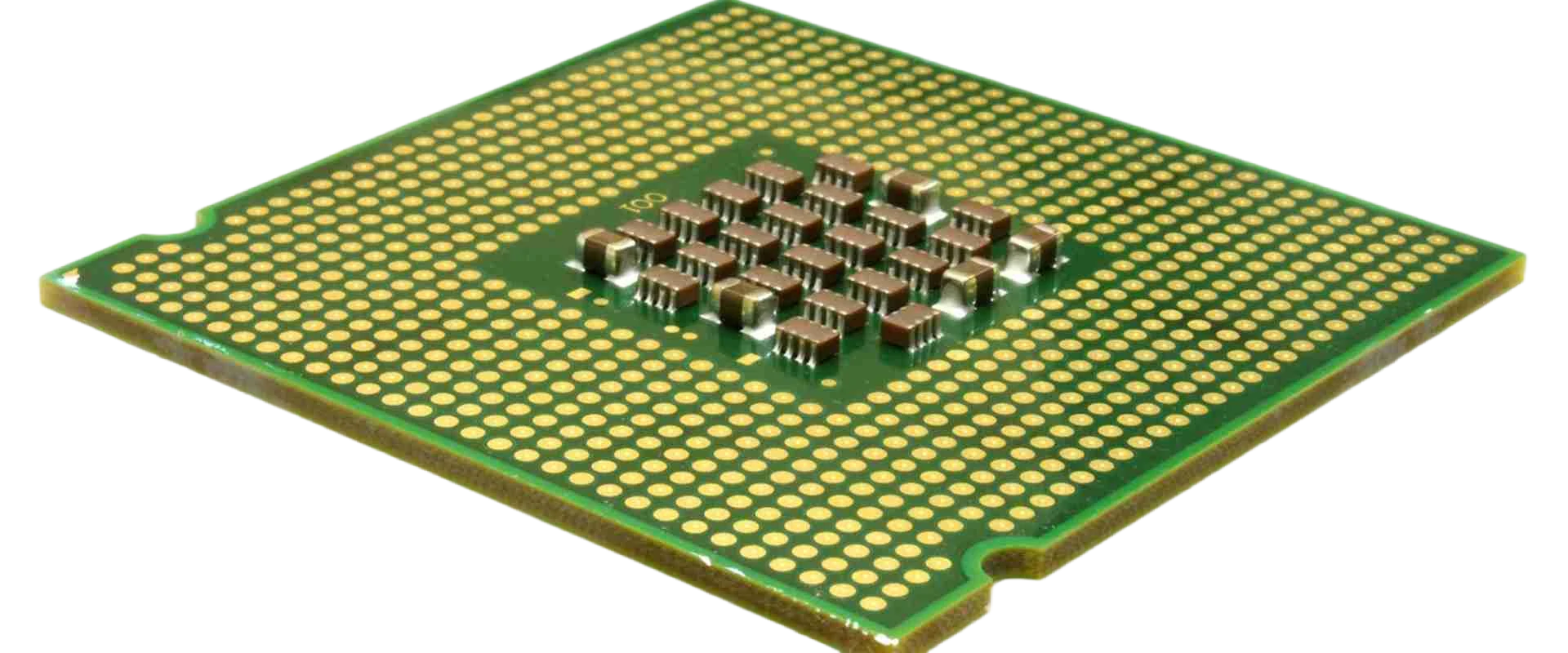
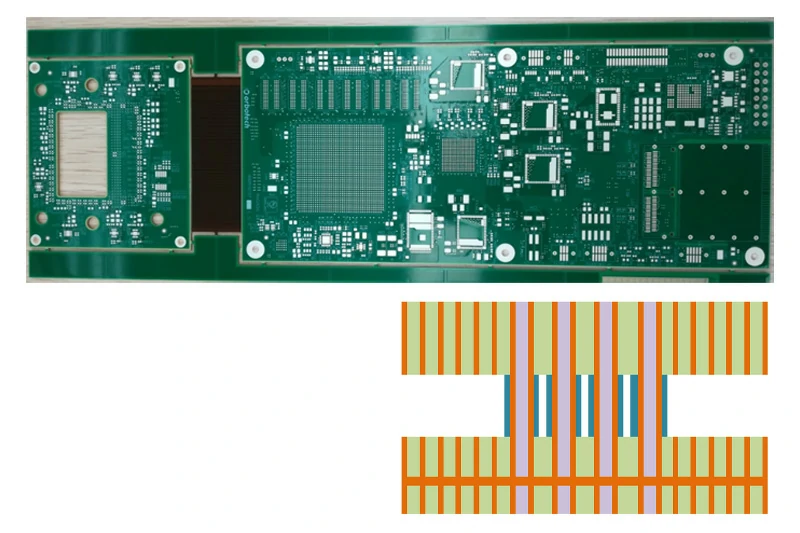
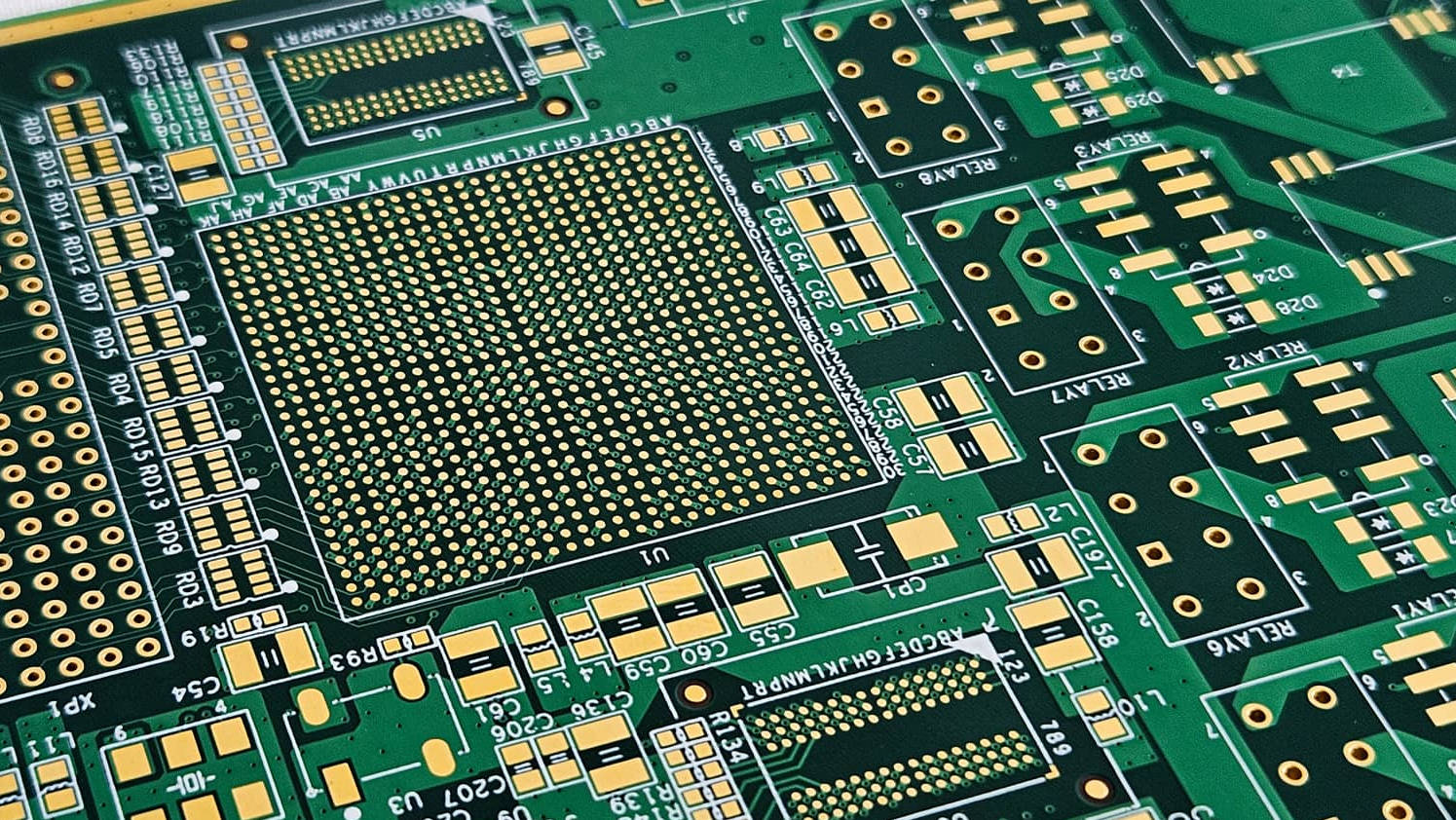
FR4 is not a specific brand but rather a grade designation established by the National Electrical Manufacturers Association (NEMA). The “FR” stands for Flame Retardant, and the “4” indicates the woven glass-reinforced epoxy resin matrix used to bind the structure together. FR4 is the undisputed workhorse of the electronics industry. It is highly valued for its excellent mechanical strength, reliable electrical insulation, ease of machinability, and low manufacturing cost. Because of its structural versatility, FR4 is the go-to substrate for everything from simple single-layer prototyping boards to highly complex, multi-layer high-speed digital motherboards.
Thermal Limitations of FR4
Despite its ubiquitous presence, FR4 has a glaring weakness when subjected to high-power components: it is a fantastic electrical insulator, which unfortunately makes it an exceptional thermal insulator as well. The thermal conductivity of standard FR4 rests dismally low, typically between 0.25 and 0.4 W/m·K (Watts per meter-Kelvin). When a high-power surface-mount component gets hot, the FR4 substrate traps the heat locally rather than spreading it. Engineers attempt to mitigate this by designing intricate arrays of “thermal vias”—copper-plated holes that physically bridge the hot component on the top layer to a larger copper ground plane on the bottom layer. While thermal vias help, they add manufacturing complexity and often fall short of meeting the cooling demands of ultra-high-power designs.
What is an Aluminum PCB (MCPCB)?
Anatomy of an Aluminum-Backed PCB
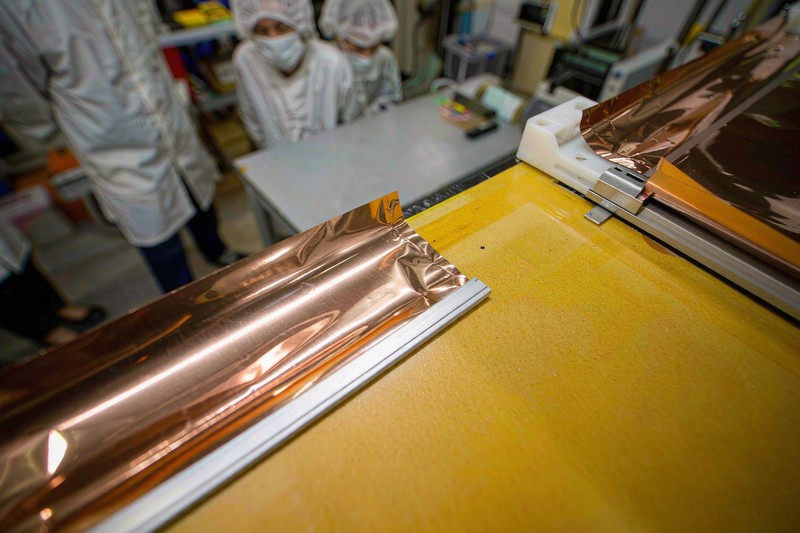
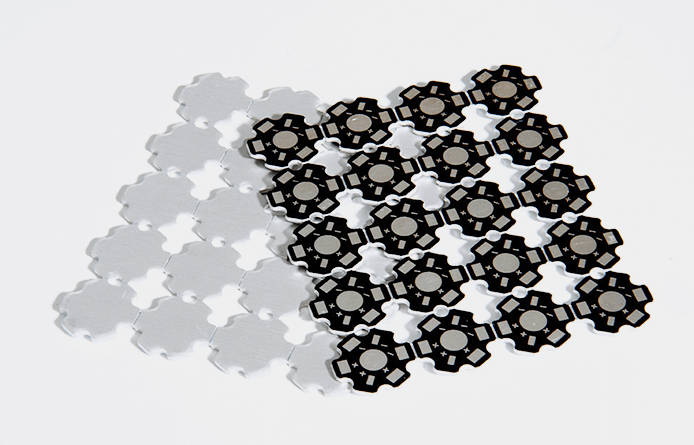
An Aluminum PCB is the most common variant of a Metal Core Printed Circuit Board (MCPCB). Unlike FR4, which relies on fiberglass and epoxy for its core structural integrity, an Aluminum PCB utilizes a solid base plate of aluminum alloy (commonly 5052, 6061, or 1060). The structure typically consists of three distinct layers: the thick aluminum base layer (usually 1mm to 3mm thick), a highly specialized thermally conductive dielectric layer, and the standard copper circuit foil on top. The magic of the Aluminum PCB does not just lie in the metal backing, but rather in the critically important dielectric layer. This middle layer is heavily filled with specific ceramic polymers that offer high thermal conductivity while maintaining strict electrical isolation between the copper circuitry and the conductive metal base.
Why Aluminum Excels in Heat Dissipation
The primary function of an Aluminum PCB is to act as a highly efficient heat sink integrated directly into the circuit board. When a component generates heat, the ceramic-filled dielectric layer quickly absorbs it from the copper traces and transfers it directly to the massive aluminum base. Aluminum has a natural thermal conductivity of about 237 W/m·K. Because the thermal bottleneck is significantly reduced, the entire surface area of the aluminum backplate becomes a rapid heat-spreading plane. The heat is dissipated evenly into the ambient air or transferred to an externally attached heat sink. This eliminates the localized “hot spots” that plague FR4 boards, significantly lowering the junction temperature of the attached components and exponentially increasing their operational lifespan.
Deep Dive: Heat Dissipation Comparison
Thermal Conductivity Metrics Explained
To truly understand the difference between these two materials, one must look at the empirical data, specifically Thermal Conductivity (k). This metric determines the rate at which heat passes through a specific material. As established, FR4 clocks in at around 0.3 W/m·K. In contrast, the effective thermal conductivity of an Aluminum PCB (measured across the dielectric layer) typically ranges from 1.0 W/m·K up to 7.0 W/m·K depending on the grade of the ceramic polymer used. This means that a standard Aluminum PCB is geometrically more efficient at moving heat than standard FR4. Furthermore, Aluminum PCBs have a higher Glass Transition Temperature (Tg) threshold in practical high-heat scenarios, as the heat never dwells long enough in the dielectric to cause delamination or structural breakdown.
FR4 vs. Aluminum: Technical Comparison Table
The table below provides a clear, at-a-glance technical comparison between standard FR4 substrates and standard Aluminum MCPCBs regarding thermal and physical properties.
| Feature / Specification | Standard FR4 PCB | Aluminum PCB (MCPCB) |
|---|---|---|
| Thermal Conductivity | 0.3 – 0.4 W/m·K | 1.0 – 7.0 W/m·K |
| Heat Dissipation Method | Thermal vias to copper planes (Slow) | Direct transfer to metal core (Rapid) |
| Coefficient of Thermal Expansion (CTE) | Higher (Prone to expansion under high heat) | Lower (More stable under thermal stress) |
| Structural Rigidity | Flexible at thinner profiles, brittle under stress | Highly rigid, resists mechanical warping |
| Typical Component Temperature | Runs hotter, localized hot spots common | Runs significantly cooler, even heat distribution |
Beyond Thermal Performance: Key Differences
Cost and Manufacturing Complexity
While Aluminum clearly wins the thermal contest, it is not without its drawbacks, the most prominent being cost and machinability. FR4 is incredibly cheap to mass-produce. Drilling through fiberglass and epoxy to create plated through-holes (PTH) and vias is standard practice and causes minimal wear on drill bits. Aluminum PCBs, on the other hand, require specialized CNC routing and specialized drill bits to cut through solid metal. Furthermore, creating standard plated through-holes in an Aluminum PCB is highly complex, as the hole must be drilled, insulated with a dielectric resin, and then re-drilled and plated to prevent the via from short-circuiting against the aluminum core. Because of this, Aluminum PCBs are generally more expensive per square inch than standard FR4.
Layer Stack-up and Routing
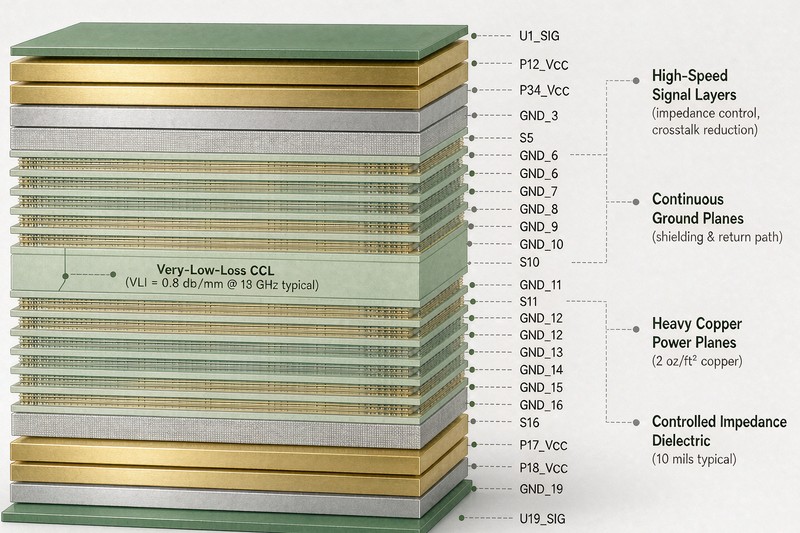
Another area where FR4 holds superior ground is in multi-layer architecture. Because FR4 is an insulator, manufacturers can easily stack alternating layers of copper and FR4 prepreg to create 4, 8, 16, or even 32-layer boards for complex routing like motherboards and smartphones. Aluminum PCBs are predominantly restricted to single-layer designs. While two-layer and multi-layer Aluminum PCBs exist, they are incredibly complex to manufacture, highly expensive, and typically reserved for highly specialized aerospace or military applications where budget is not a constraint. For dense digital logic routing, FR4 is mandatory; for pure power and thermal management, Aluminum takes the lead.
Ideal Applications for Each PCB Type
Choosing between Aluminum and FR4 ultimately comes down to a balance of thermal requirements, routing density, and budget constraints. Knowing the typical use cases can guide your design decisions.
- When to Choose FR4: You should opt for FR4 when designing digital electronics, microcontrollers, IoT devices, audio equipment, and standard consumer electronics. If your design includes components that run slightly warm but not dangerously hot, you can utilize FR4 paired with clever PCB layout techniques—such as heavy copper pours, thermal vias, and external clip-on heat sinks—to manage temperatures cost-effectively. FR4 is also the only viable choice when you need more than two layers of signal routing.
- When to Choose Aluminum PCBs: Aluminum is the undisputed king for high-power LED lighting systems (such as streetlights, automotive headlights, and grow lights). High-brightness LEDs generate massive localized heat that will quickly degrade the LED chip if not removed instantly. Aluminum PCBs are also ideal for power electronics, solid-state relays, motor controllers, and high-current voltage regulators. In these scenarios, the rapid heat dissipation protects the semiconductors, increases power efficiency, and negates the need for bulky external heat sinks.
Final Verdict: Which One Should You Choose?
If the ultimate question is “Which one is better for heat dissipation?”, the definitive answer is the Aluminum PCB. Its inherent design, leveraging a highly conductive metal core and a specialized ceramic dielectric, allows it to pull heat away from critical components at a rate that FR4 simply cannot match. However, “better for heat dissipation” does not always mean “better for every project.” FR4 remains the most versatile, cost-effective, and practical material for the vast majority of electronic circuits that require complex routing and multi-layer stack-ups. As an engineer or designer, the best practice is to evaluate the thermal load of your specific components. If standard thermal vias and copper planes on FR4 keep your junction temperatures within safe operating margins, stick with FR4. But if you are pushing high wattage through LEDs or power converters and thermal runaway is a real threat, investing in an Aluminum PCB is not just a better choice—it is an engineering necessity.